



Current challenges and industry requirements
Modern construction demands high quality, fast installation, and cost efficiency. Increasingly, priority is given to materials that combine low weight, strength, moisture resistance, and durability. That is why plastics have confidently taken their place in the construction sector, replacing metal and wood in the production of many components.
The use of plastic parts significantly reduces construction costs, simplifies logistics and installation, and ensures compatibility with modern insulation, ventilation, and electrical wiring technologies.
Advantages of injection molding solutions for construction
Versatile shapes: the ability to create parts of almost any geometry, including hidden locks, latches, and internal channels;
Mass production: high output enables large batches of parts with consistent precision;
Environmental resistance: plastics do not corrode, do not absorb moisture, and do not require additional protection;
Compatibility with other materials: plastic elements integrate easily with concrete, metal, glass, and wood.
Advantages of injection molding solutions for construction
Versatile shapes: the ability to create parts of almost any geometry, including hidden locks, latches, and internal channels;
Mass production: high output enables large batches of parts with consistent precision;
Environmental resistance: plastics do not corrode, do not absorb moisture, and do not require additional protection;
Compatibility with other materials: plastic elements integrate easily with concrete, metal, glass, and wood.
Applications of plastic
components in construction

Fasteners and connectors
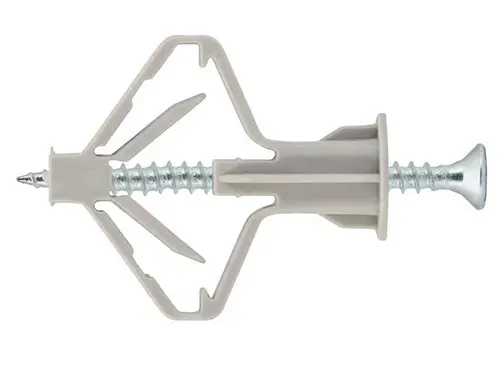
Wall plugs, anchors, clips, and mounting brackets provide fast, reliable fixation of various elements on walls, ceilings, and floors. They are essential for installing utilities, suspended ceilings, and facade panels.

Cable trunking and concealed wiring systems
Plastic ducts, corners, junctions, and end caps make it possible to route electrical and low-voltage lines safely and neatly in residential and commercial buildings.

Plumbing components
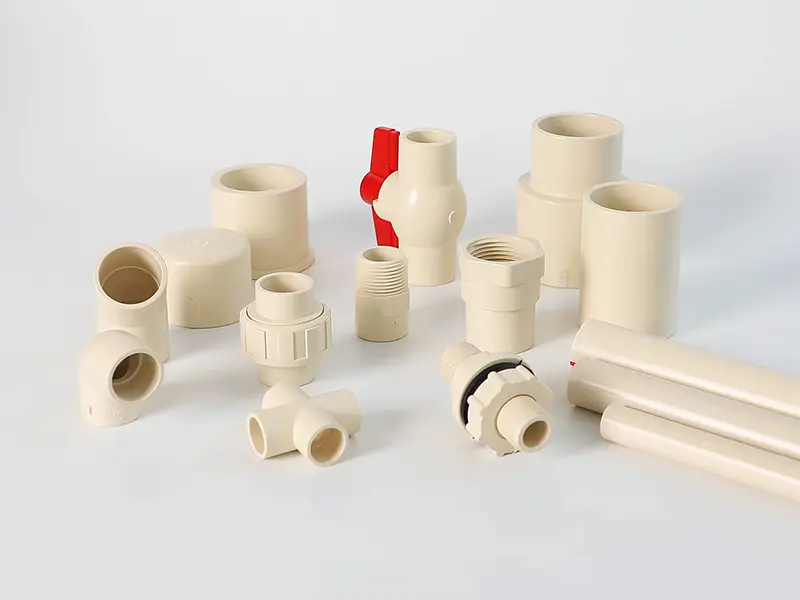
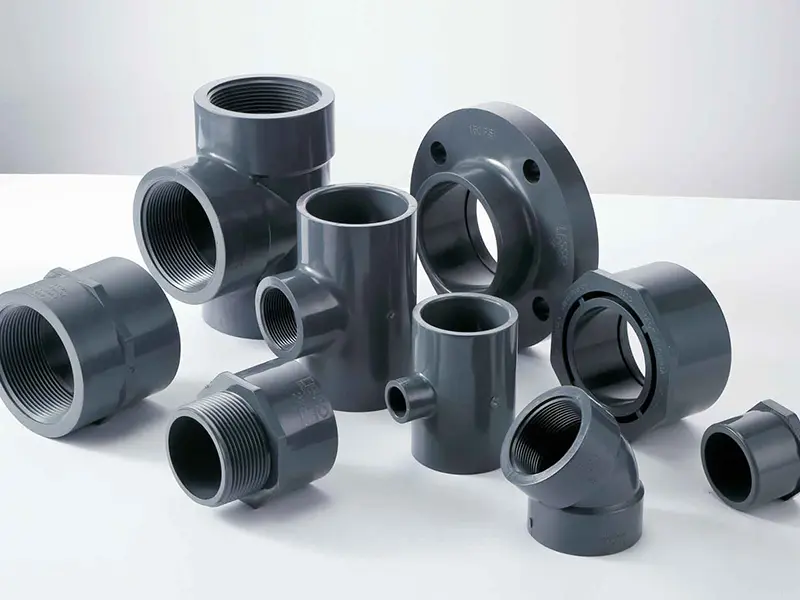
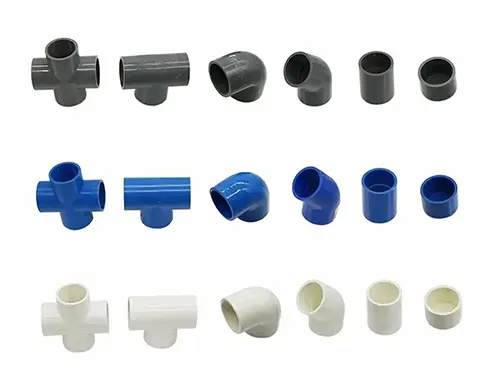
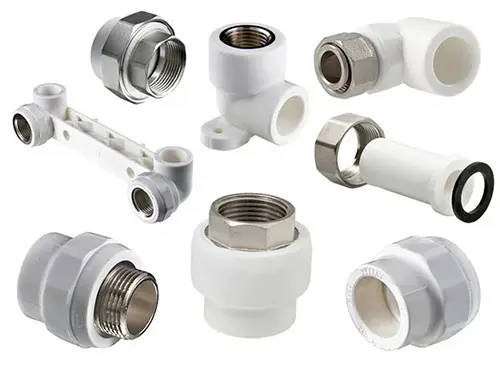
Plastic connectors, traps, fittings, and gaskets are resistant to chemicals, easy to install, and corrosion-free, making them ideal for water supply and drainage systems.

Ventilation and heating components
Air ducts, couplings, valves, and decorative grilles made of plastic are widely used in HVAC systems, offering lightweight and reliable installation.

Reusable formwork and rebar spacers
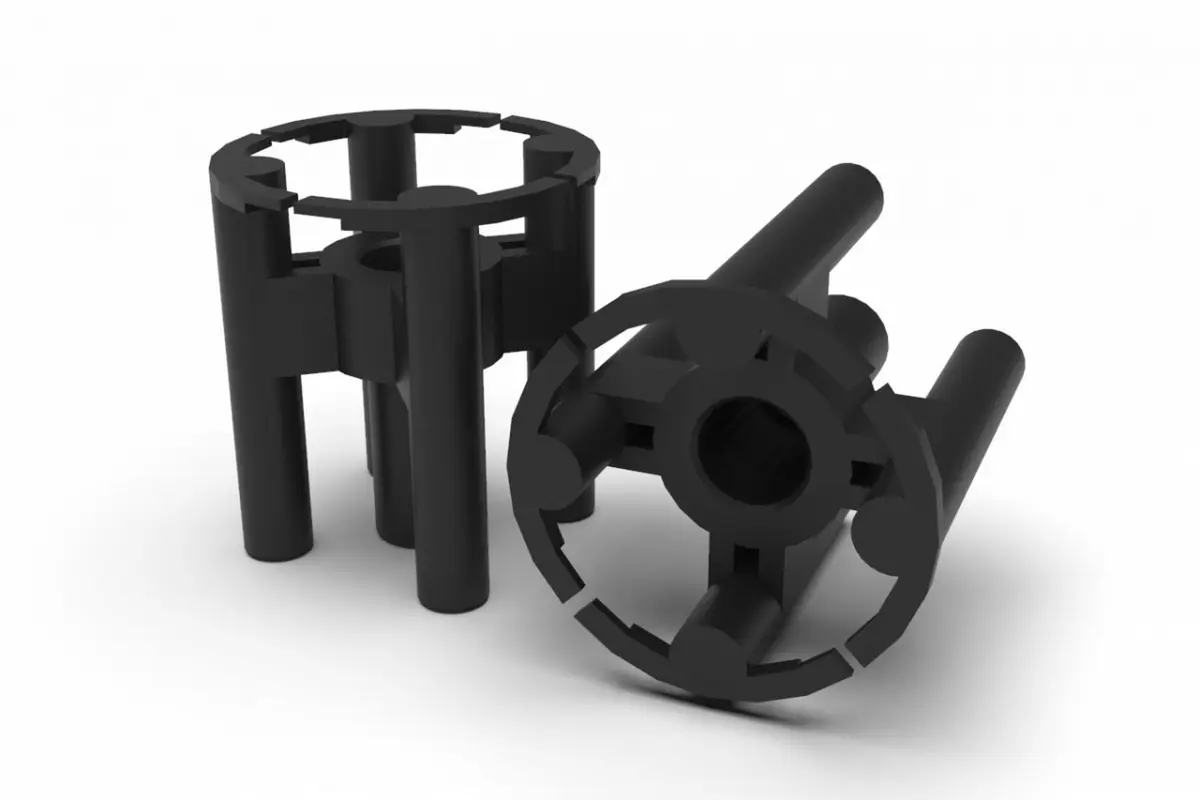
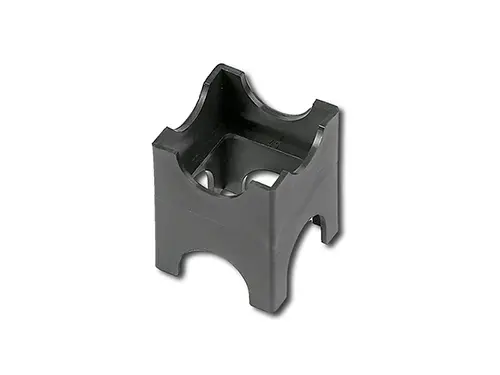
Plastic panels and rebar spacers are used in monolithic construction. They are durable, reusable, and help maintain accurate geometry of concrete structures.

Thermal and acoustic insulation accessories
Plastic spacers and mounting elements for insulation and soundproofing panels ensure tight, secure fixation and help maintain performance over time.
Conclusion
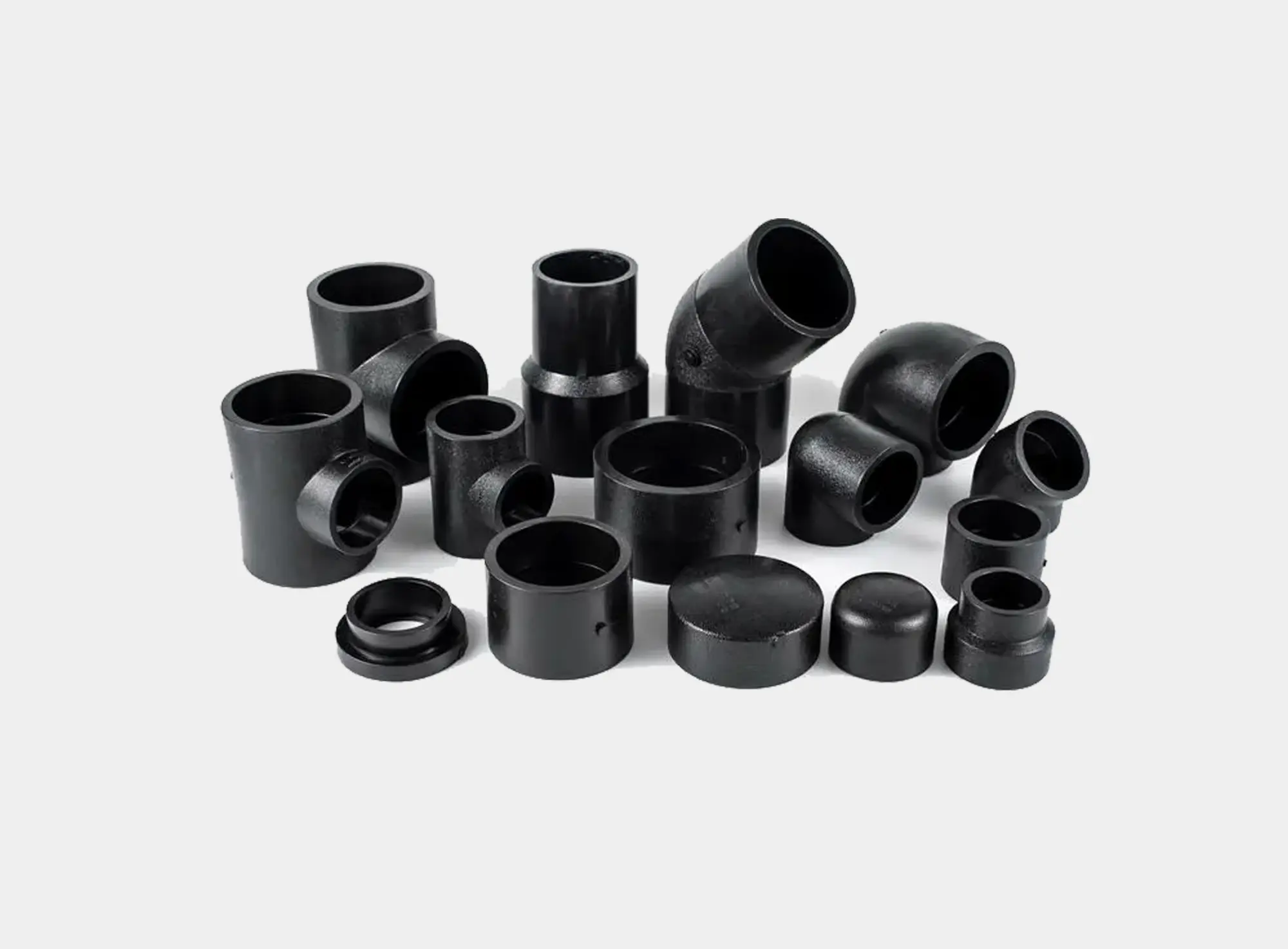
Manufacturing plastic construction components opens broad opportunities for optimizing and reducing the cost of building processes. The variety of injection-molded parts can cover the needs of both residential and commercial construction, while maintaining high standards of quality and resistance to external impacts.
Want to launch production of plastic construction components?
Contact us to select a solution for your task-from fasteners to complex engineering modules.
We provide technical support, equipment selection, and material recommendations.


